MyBaby Craniosacral logo

Occupational Therapy

Your First Appointment

What to Expect

Your appointment includes a parent interview about your child’s birth history, medical background, and developmental milestones, then conducts a thorough assessment of motor skills, play abilities, feeding patterns, and sensory processing. 

Your session includes:

Hands-On Parent Coaching: Patricia teaches you activity recommendations and gives you time to practice with your child during the session. You’re an active participant, not a passive observer.

Tailored Activity Plans: Based on your child’s unique needs, Patricia creates developmentally appropriate activities that fit into your daily routines.

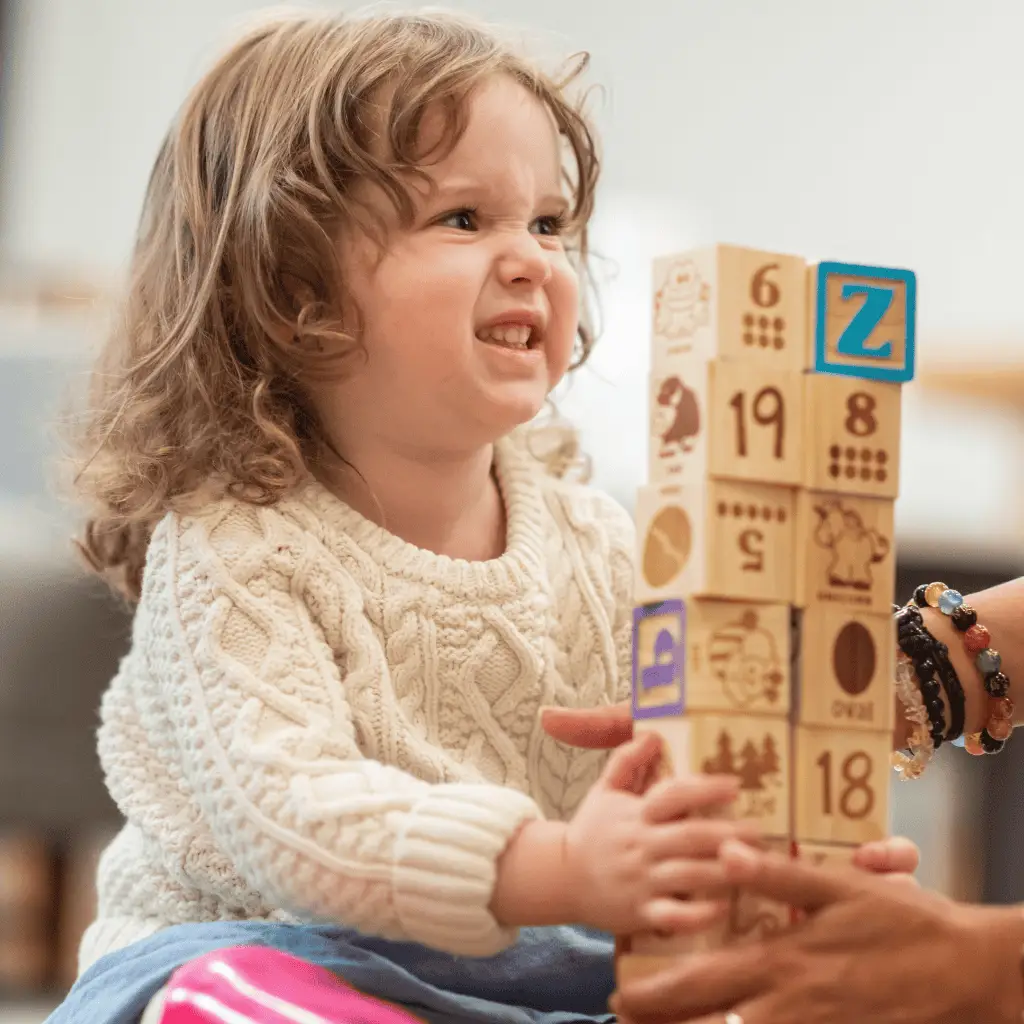
Direct Engagement: Your child learns through play, and you learn how to support their development in everyday moments—tummy time, feeding, playtime, and beyond.

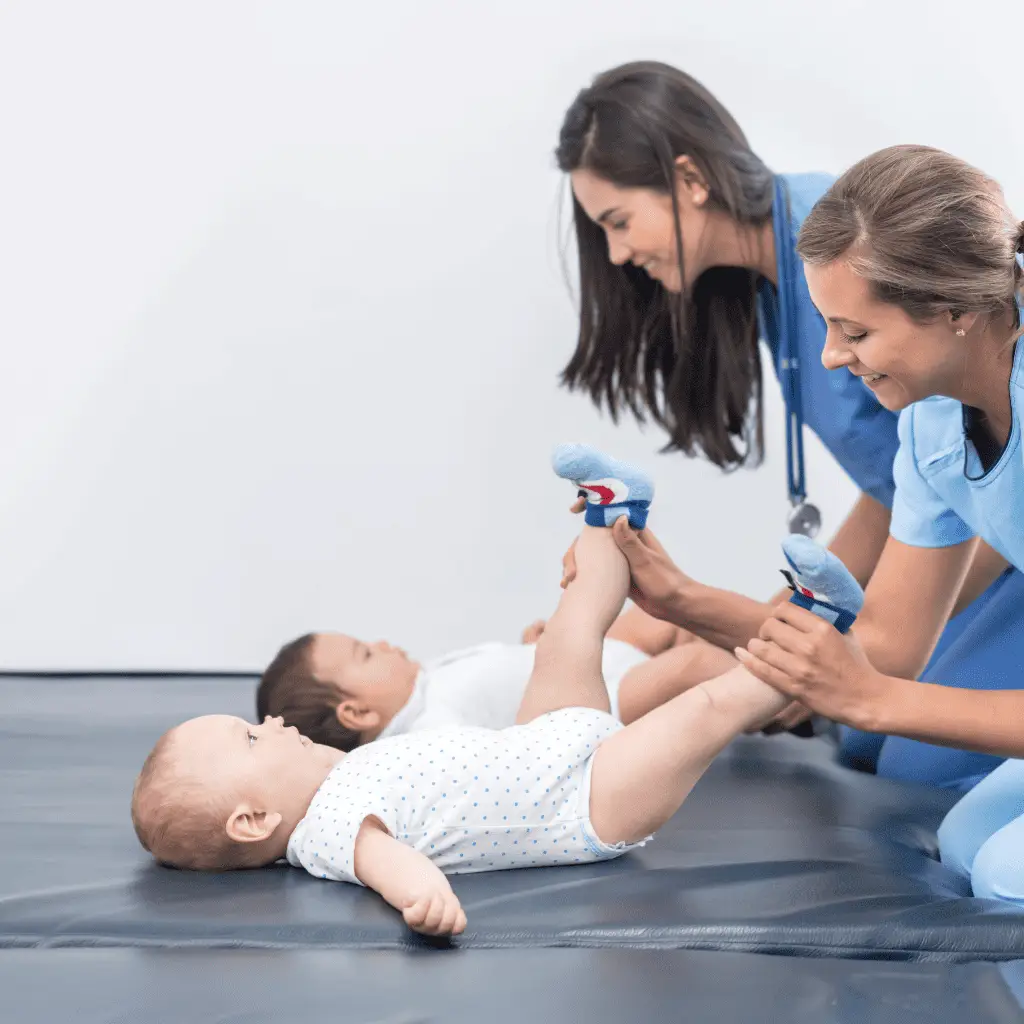
Therapist performing craniosacral therapy on a baby with parents present.

We listen first, advise second.

Have some concerns?

What we can help with:

How does it feel?

Treatment Style

You’ve probably gotten a lot of advice about what your baby “should” be doing by now. Everyone has opinions about milestones and development. We’re different.

Patricia’s approach centers on:

  • Play-based learning – Your child develops through play, not drills or forced exercises
  • Empowering you as the expert – You’ll learn strategies and practice them during sessions so you feel confident supporting your child at home
  • Neurodevelopmental foundation – Using principles that optimize brain and body development at every stage
  • Whole-body perspective – We work alongside our craniosacral therapists because physical restrictions directly impact your child’s ability to move, play, and develop

We don’t judge where your child is right now. We meet them where they are and help them move forward—at their own pace, through your family’s daily routines.

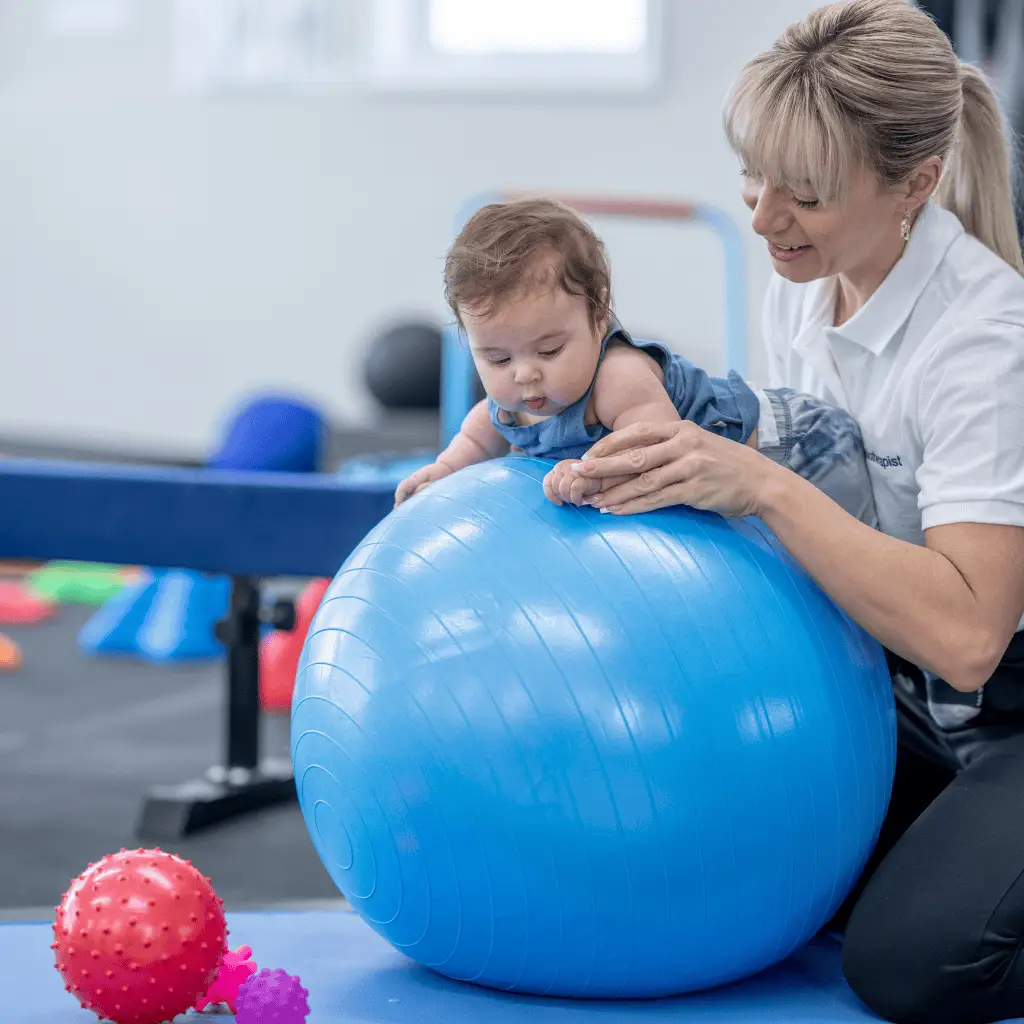
Infant receiving craniosacral therapy with therapist using a large blue ball.

We work as a team: OT optimizes developmental skills while CST releases physical restrictions, addressing both movement and function together.

Child receiving craniosacral therapy for developmental support and relaxation.
We collaborate as a team

Why Combine OT with CST?

This is where the magic happens.

Many young children present with movement restrictions—tight necks, tongue ties, difficulty with tummy time, or compensatory movement patterns from birth. These physical restrictions limit a child’s ability to participate in routine activities and can lead to developmental delays if not addressed.

CST addresses the physiological restrictions: releasing fascial tension, improving mobility, and restoring the body’s natural movement patterns.

OT builds on that foundation: providing tailored activities that enhance your child’s ability to engage in age-appropriate play, feeding, regulation, and early self-help skills.

When these two approaches work together, children don’t just release restrictions—they learn how to move, play, and develop optimally. The physical freedom created by CST allows the developmental work of OT to be even more effective.

Benefits

  • Address root causes (physical restrictions) AND developmental needs
  • Faster progress when therapies work together rather than in isolation
  • Fewer appointments across multiple locations—everything under one roof
  • Seamless communication between practitioners who understand your child’s full picture
  • Parents empowered with knowledge and strategies to support development at home
Pediatric craniosacral therapy session with healthcare professionals and infants.

Ready to Book?

  • Patricia works with infants and toddlers ages 0-3 years at our office.

    Whether you’re concerned about a specific delay, want a general developmental check, or simply want guidance on optimizing your child’s learning, Patricia is here to help.